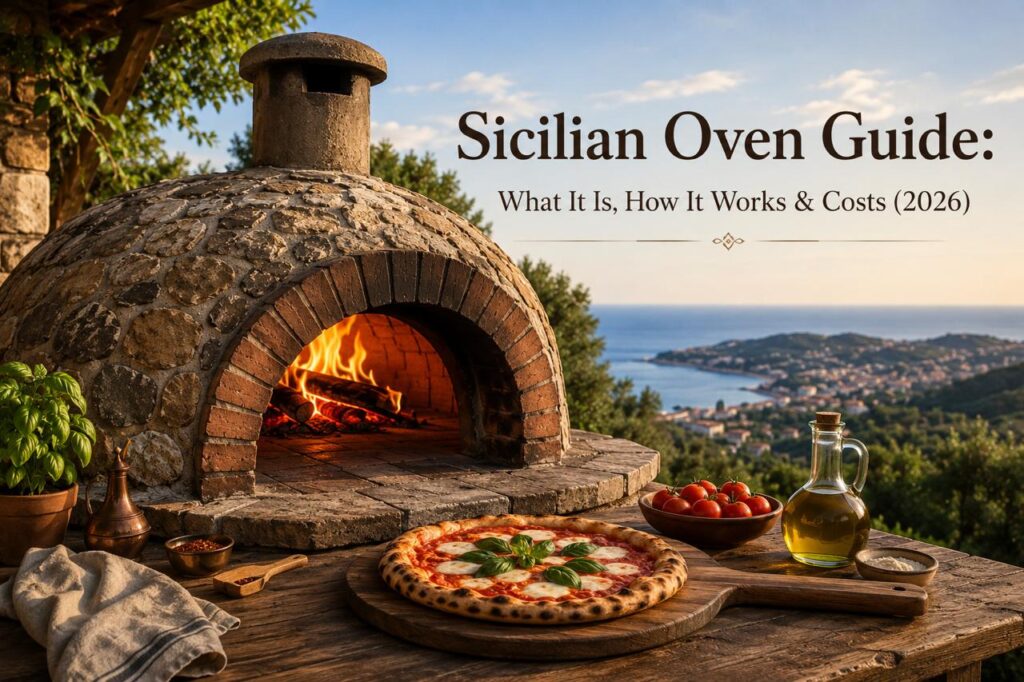
A Sicilian oven is described as a traditional one made of stone or brick made to distribute heating evenly and efficiently to bake for extended time time.It is an essential ingredient in the crusty Sicilian pizza (sfincione) and also in rustic toasts, roasts, and other breads. Available in gas, wood-fired and hybrid models for homes as well as commercial kitchens.
What Is a Sicilian Oven?
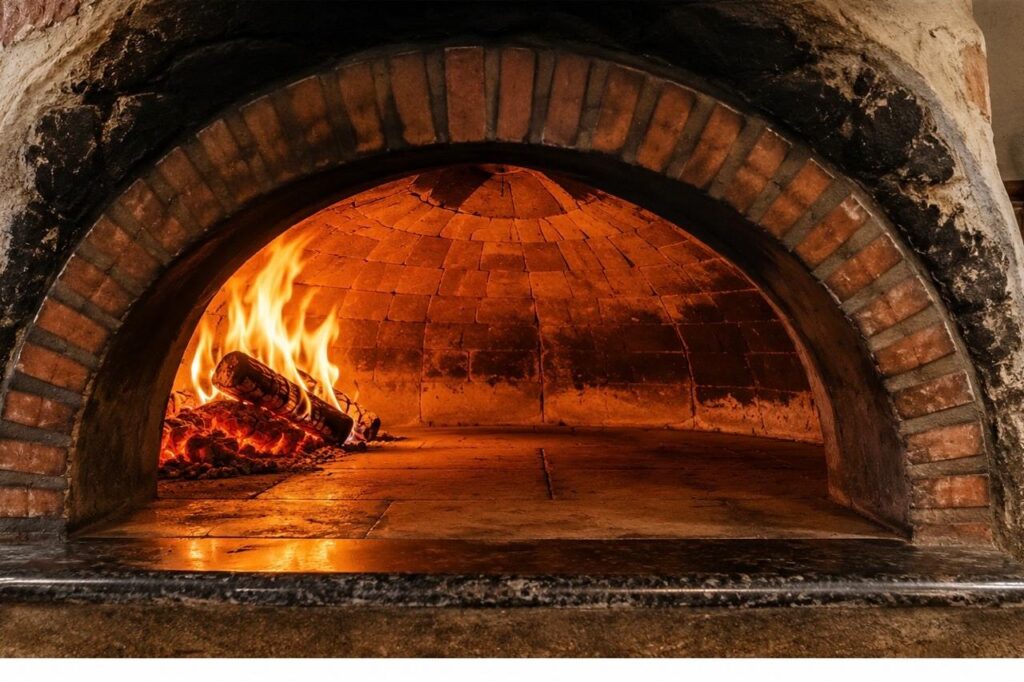
In the simplest sense, at its core, the Sicilian oven is a deck-style or masonry oven that has a heavy brick or stone floor. This floor — sometimes known as the deck absorbs heat and then releases it slowly and uniformly, which is precisely what doughs that are thick and dense require to cook all the time without cooking at the top.
It’s not the image people think of when they hear “pizza oven.” The Sicilian oven isn’t made to bake in a matter of 90 seconds. The dough is inserted, and the heat encircles it from above and below, and then it emerges with a crisp, golden base as well as a soft, fluffy interior — the hallmark of Sicily’s densely cut, olive oil-rich pizza.
It’s also a type of oven used to cook:
- Rustic Italian breads and focaccia
- Roasted vegetables
- Slow-baked casseroles, classic Sicilian dishes, traditional Sicilian Sicily.
For official food safety guidance and safe cooking practices, visit the USDA Food Safety website.
Why the Design Matters
The way that heat is distributed in the Sicilian oven is the entire story. Because the deck is able to hold tons of thermal mass, temperatures are stable even when you increase the amount of food in the oven or open the door several times, which is something that a typical kitchen oven is unable to handle.
This is the reason pizzaiolos and bakers love this kind of oven in the first instance. It’s not about high temperatures. It’s about constant heat, which is held for long enough time to bake a thicker item in a proper manner.
Who Actually Uses a Sicilian Oven
It’s not a gadget only for professional chefs. In real life, it’s used across a vast spectrum:
User Type Typical Use
| Home cooks | Pizza nights in the backyard, weekend bread baking |
| Pizzerias & trattorias | Sfincione, focaccia, thick-crust pizza service |
| Bakeries | Rustic loaves, pastries |
| Restaurants | Roasted meats, vegetables, and signature dishes |
| Commercial kitchen designers | It is important to identify authentic wood-fired deck or deck equipment. |
If you’re a cook at home looking for authentic sfincione, or a restaurant manager trying to differentiate their menu, the benefits are similar: greater texture, more flavor, and a cooking technique that is impossible to replicate using a conventional oven.
How a Sicilian Oven Works
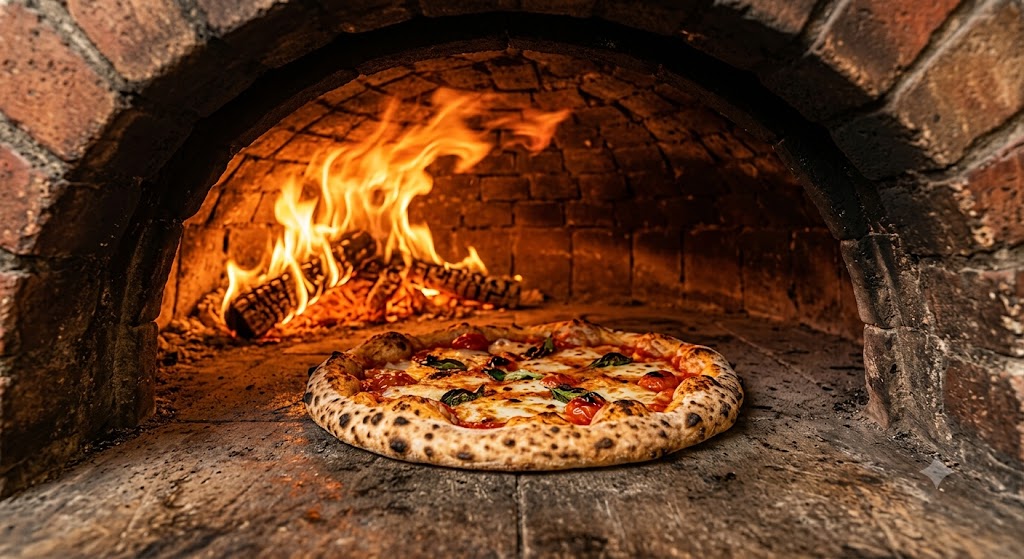
The principles are easy to understand; however, the execution requires some time and practice.
- Preheat the deck. Wood-fired models typically take between 45 and 90 minutes to bring the stone up to the temperature of baking. Gas models heat up faster and are more reliable. Let the temperature rise to the outside. The objective is for the oven to be between 200-300 °C (roughly about 480-570 °F). It’s hot but much less hot than the Neapolitan oven’s scorching temperatures of 430-480 °C.
- Bake slow and low (relatively speaking). The thick pizza of Sicilian style is usually baked for 12-20 minutes, as opposed to the 60-90 second baking duration of a lighter Neapolitan pie.
- Keep the temperature. Wood is fed slowly, and gas burners are adjusted to ensure that the temperature of the deck remains constant throughout multiple bakes.
The most important skill is temperature control, which is understanding when the deck’s ready and maintaining it at that temperature.
Types of Sicilian Ovens
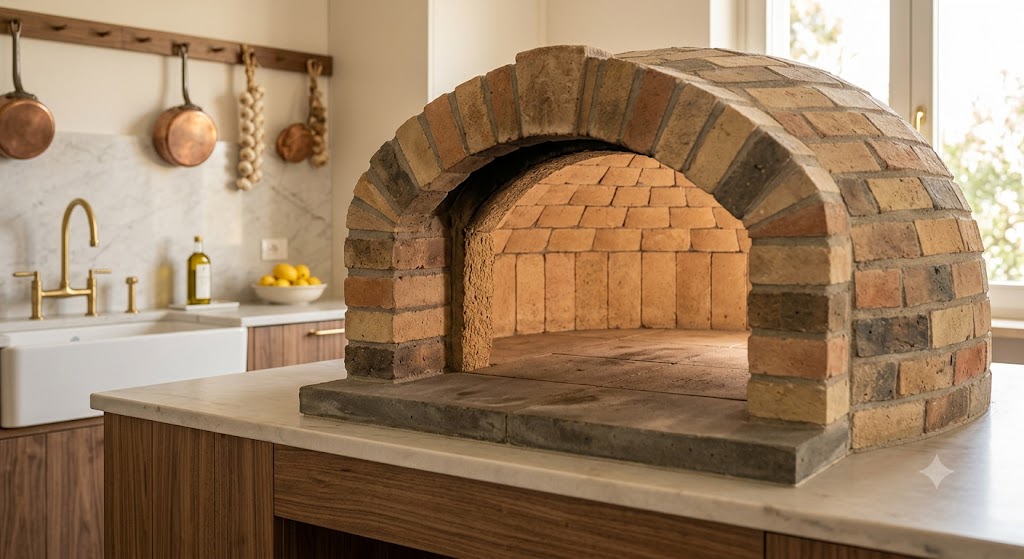
There’s no guarantee that every Sicilian oven functions or looks in the same manner. Here’s how the most popular variations can be broken into pieces:
- A traditional brick oven that is fired with wood is the most authentic choice, with the largest thermal mass, yet it requires a lot of skill to control heat and fire.
- The Sicilian deck oven is a gas-fired model — it exchanges some of the wood smoke flavor for a much simpler, more stable temperature control.
- Hybrid gas ovens and wood gas ovens for the base heating and consistency with wood used for flavor.
- Portable models or backyard models are smaller models, usually pellet- or gas-fired, intended for use in homes in which budget and space are limited.
- Multi-tier ovens for commercial use -built with stacked decks to cater to pizzerias and bakeries that require a constant output throughout a full-service operation.
Sicilian Oven vs Neapolitan Oven vs Standard Oven
The comparison is often discussed and is worth looking at the two sides of the coin:
Feature Sicilian Oven Neapolitan Oven Standard Home Oven
| A typical baking temperature | 250-300degC | 430-480degC | 200-250degC |
| Pizza bake time | 12-20 minutes | 60-90 seconds | 15 to 20 minutes |
| Crust style | The thick, crisp base | The edges are thin and charred. | Medium to thin |
| Heat source | Gas, wood, or hybrid | Traditionally, wood | Electric or gas |
| Ideal for | Sfincione, bread, roasting | Neapolitan-style pizza | General home baking |
The short version is that if you’re looking for a thick, crusty pizza or bread, it is a Sicilian oven’s slow and steady heat that is a better fit. If you’re looking to make a thin and char-flecked Neapolitan pie, you’ll need the intense heat that a Sicilian oven can’t create.
What a Sicilian Oven Costs in the US
Pricing varies greatly based on whether you’re purchasing a portable unit, making one built to order, or constructing commercial kitchens. In rough terms, US pricing resembles this (source: Industry pricing data 2024):
- small, portable Sicilian ovens for the backyard between $600 and $1500.
- Brick ovens custom-built (residential installations) cost about $3,000 to $10, 000plus, based on the dimensions of the brick and the dimensions of the oven.
- Commercial ovens on decks cost approximately $8,000 to $30,000, depending on the capacity, decks, and the type of fuel.
There are a few factors that can drive prices upwards or downwards: the cost of construction, local construction and mason availability, as well as the cost of refractory and firebrick material within your region, and whether you’re building the structure permanently or using an already-built unit that needs to be placed.
Permits and Local Considerations in the US
This is an important step that many first-time buyers miss — and later regret.Local building and fire codes typically refer to wood-fired ovens particularly the permanent ones which are outside.
There are many aspects to take into consideration before making a decision:
- If your county or city needs a permit to construct a permanent wood-burning facility
- Local restrictions on wood burning (some regions, especially states with a high risk of wildfires like California, are subject to restrictions on air quality or seasonality)
- The required clearance distances for fences, structures, and property lines
- The requirements for chimneys and ventilation
Commercial installations are also considering UL as well as CSA certificates for the gas-fired units, as well as compliance with NFPA guidelines for fire safety. It’s worth making contact with the local building department before you make any purchase. It’s much less expensive than finding out later that a part needs to be replaced.
How to Choose the Right Sicilian Oven
Before you buy, it’s helpful to go through a brief list of the most important questions to ask:
What is the main purpose? Occasional home cooking is quite different than operating a commercial kitchen.
- How much room do you really own? A permanent masonry construction requires real estate and clearance, whereas the portable model doesn’t.
- Gas or wood? Wood gives you traditional taste and flavor, but it requires more hands-on management. Gas provides the sameness and speed.
- What’s your budget-friendly ceiling? Entry-level portable ovens and mid-range custom-built ovens, as well as commercial ovens, are placed in a variety of price ranges.
- What’s available on your list? If bread and roasting are as important as pizza, it can affect the dimensions and style you’ll need.
- What local regulations have to be followed? Permits, clearance, and restrictions on wood burning differ according to state, and sometimes even cities.
Pros and Cons at Glance
Option Pros Cons
| Wood-fired | True flavor, intense heat retention | A longer preheat time requires more hands-on skills. |
| Gas-fired | Rapid, consistent, and easy to manage | A less traditional, traditional flavor with less smoke. |
| Portable | Lower cost, flexible placement | Smaller capacity, less heat retention |
| Custom-designed custom masonry | Best performance, long-term durability | A higher upfront cost, a permanent structure |
Common Mistakes People Make
Even home cooks with years of experience have the same number of issues:
- Over-scheduling the baking and preheating on a deck that’s not completely preheated
- The use of resinous or unseasoned wood, which alters the flavor of the wood and creates soot and smoke.
- The oven is full of several food items at the same time and this is the reason to lower the temperature of the oven.
- Doing the deck cleaning regularly prevents residue and ash from accumulating
- Not heeding local permit or ventilation regulations prior to putting in a permanent
Maintenance and Wood Selection
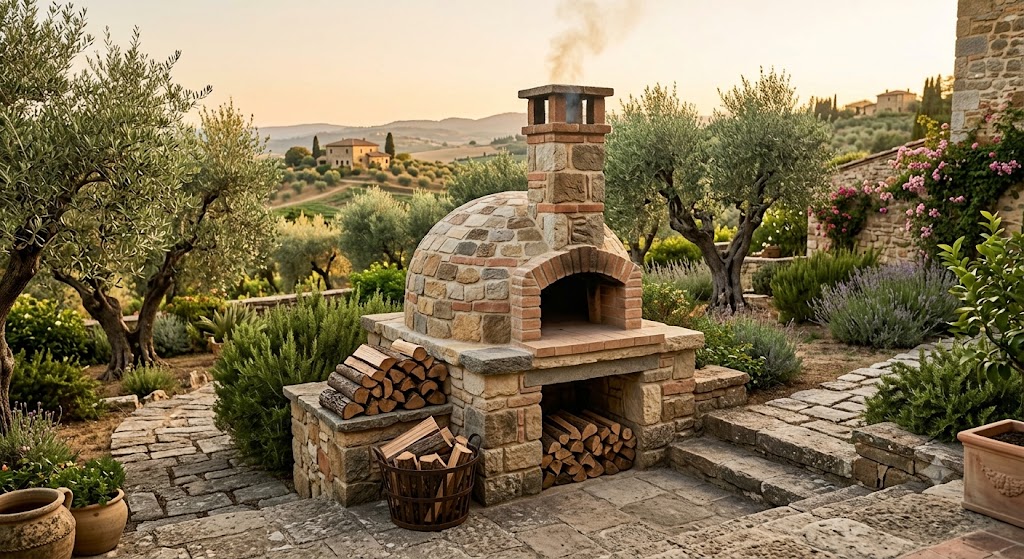
A properly constructed Sicilian oven will last for years; however, it requires basic maintenance. The hardwoods that are mature, such as almond, oak, or even fruitwoods like cherries and apples, are the most popular choice for burning efficiently and evenly, without leaving the taste of resin.
After each use, after the oven is cool, it is time to clear the oven of all ash and other debris from the deck. In the case of wood-fired ovens, it’s important to regularly check the chimney or flue for the buildup of creosote, similar to how you would keep a fireplace burning wood. The process of rotating food during baking can also help, since the heat source close to the fire is less evenly distributed than the heat further back inside the chamber.
Finding a Sicilian Oven Installer or Supplier in the US
If you’ve determined that a custom-built (or commercial) unit would be the best option, then the next step is to find the best service. Find:
- Certified masonry contractors who have specific wood-fired oven experiences
- Outdoor kitchen experts who can manage both the structure and code conformance
- Commercial kitchen equipment manufacturers that offer gas-fired ovens, in particular those that have UL/CSA-certified units
- Providers who are able to clearly speak about local permit requirements in your city or state
Inquiring estimates from local firms instead of picking the first estimate you feel is worthwhile particularly in the event that the installation is longer than the time specified.
Frequently Asked Questions
1. What exactly is the purpose of a Sicilian oven used to bake?
It’s used to bake the crusty Sicilian pizza (sfincione) and also traditional breads, roasts, and other foods which are enhanced by constant even heat, not intense blasts of high temperatures.
2. Which is the best temperature that can an Sicilian pizza oven reach?
Most of the time the temperature is between 250-300 degrees Celsius (480-570 until the point that is 560) Fahrenheit) to bake zone.It’s hot however, it’s better than Neapolitan ovens. Its temperature range stretches from the 430-480 degree mark Celsius.
3. Are Sicilian oven similar to an oven fired with wood?
Not necessarily. Many are wood-fired. However, hybrid and gas ovens are also used particularly in commercial kitchens in which consistency can be more crucial than traditional ovens.
4. What are the most important differences in Sicilian pizza, and Neapolitan pizza?
Sicilian pizzas are generally large and heavy. It is baked typically with lower temperatures so that it bakes faster. Neapolitan pizzas, on the other hand, feature thin, charred crusts baked quickly at high temperatures – typically within two minutes at extreme temperatures.
5. What’s the cost to construct a wood-fired stove within the US?
A custom-designed residence building cost can vary between $3,000 and as high as 10,000 or more, depending on the size, the construction materials, and the labor costs within the local region.
6. Do I need authorization to use a wood oven I can place into my back yard?
There are various requirements for each city or state, therefore you must inquire with the building department of your location prior to installing one.
7. Do you have the ability to cook bread in a Sicilian oven?
Yes. The large stone deck and constant heat make it perfect for focaccia and breads that are rustic, as well as pizza.
8. What is the best wood for a Sicilian oven? Acorn and oak, or fruitwoods, burn effectively and evenly, giving adequate heat, but not overpowering or resinous flavor.
Conclusion
The Sicilian oven is renowned for its use of the traditional method with a steady, patient warmth that transforms basic dough into something that has real dimension and texture. If you’re looking for authentic sfincione for your backyard, or designing an industrial kitchen, the ideal option is to match the type of oven that you choose — gas, wood, or hybrid to the space you have, your budget, and the amount of hands-on control you’re willing to manage.
Find the permits before you start, and pick your wood with care. If you decide to go this route, be sure to follow the basic maintenance. If you do that, you’ll be able to enjoy a Sicilian oven that won’t be just a thing to buy. It’s an ongoing improvement to the way you cook.
These information are gathered from different surveys, medical tests and tech giants like Techradar and more.
For More Details About Different Ovens Click Here