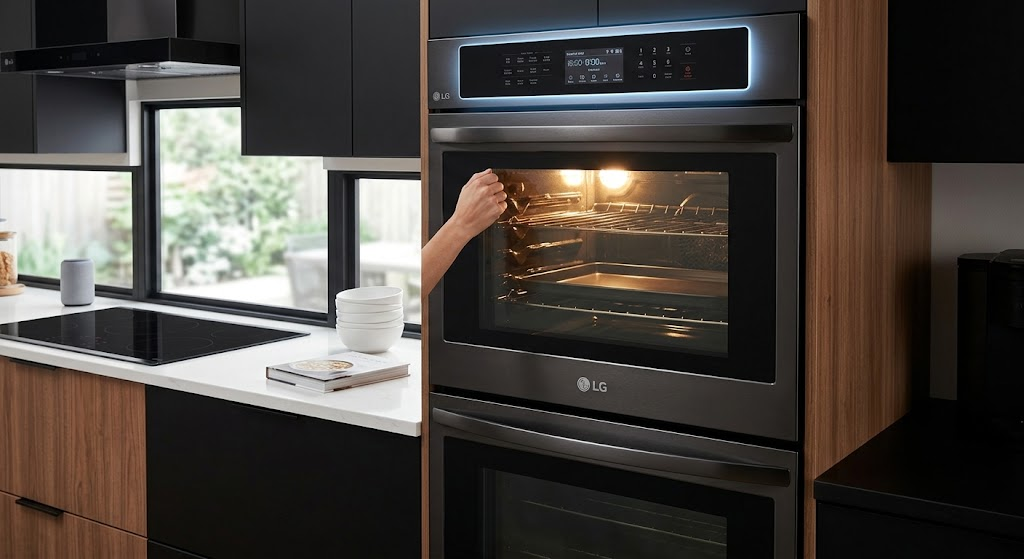
Fix Kitchenaid oven problems fast with this step-by-step guide.The oven suddenly stops warming, refuses to close, or begins flashing an unidentified code can swiftly cause a disruption to dinner plans. The majority of issues arise from a small number of components that you can fix or test yourself, without contacting anyone for assistance.
This guide will cover some of the frequently encountered KitchenAid oven problems and also interprets the F-error codes on the display, providing an easy way to determine if the fix is possible to do by yourself or requires to be dealt with by a professional. This guide exists to help you fix Kitchenaid oven issues without unnecessary technician visits. Let’s fix Kitchenaid oven trouble step by step, starting with the most common cause first.
Why won’t my KitchenAid Oven heat up?
Most often, an oven will fail due to a worn-out bake or broil element on an electric model, or a weak igniter on gas models. A failed RTD or thermal fuse after performing a self-clean cycle may also prevent it from heating effectively even if all other signs indicate otherwise. This is usually the first thing to check when you fix Kitchenaid oven heating failures.
How to Fix Kitchenaid Oven: 9 Common Problems (and Their Solutions)
These small habits make it easier to fix Kitchenaid oven problems before they even start.
1.Oven Will Not Heat at All (Electric Models)
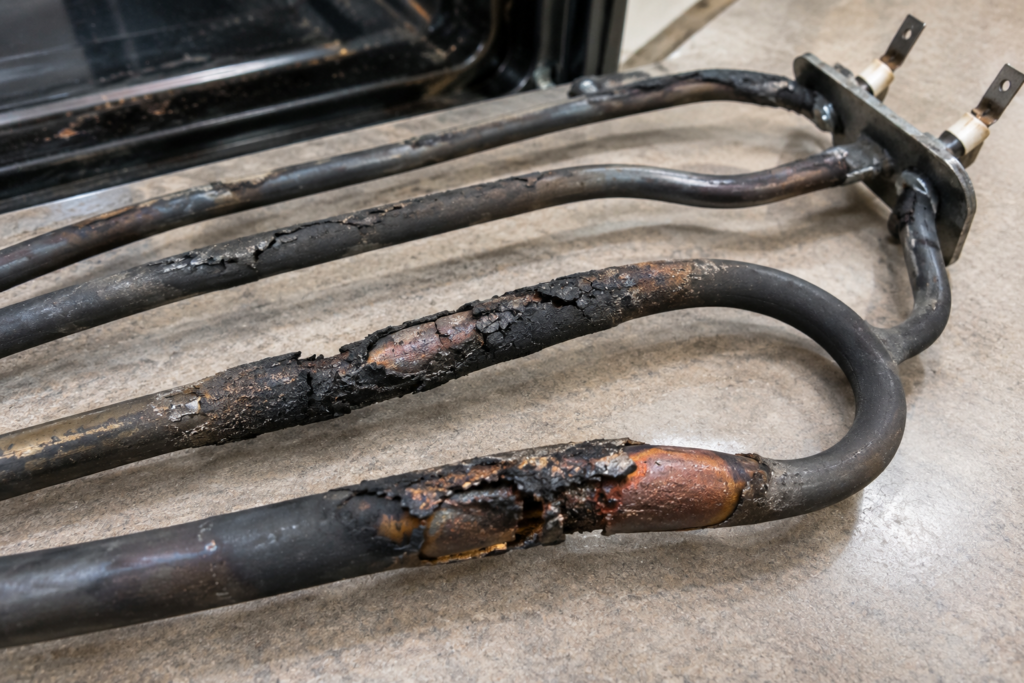
If the display illuminates or trying to fix Kitchenaid oven heating problems but the cavity doesn’t heat to a satisfactory temperature, then a bake or broil element could be the issue. As time goes by the coils become weaker and form spots, which allows the fire to explode in uncontrollable amounts. If the skin is completely burned, blisters, discolorations, or cracks will be visible. Replacing a burnt element is usually the cheapest way to fix Kitchenaid oven heating problems.
How to fix it:
- Before touching any of the oven components the oven, switch off the electrical power on the circuit breaker.
- look over the broiling and baking elements visually for scorch marks or visible scratches on the surfaces.
- If a break can be seen, the element must be replaced – usually using only mounting screws and wire connectors to do this easily yourself.
2.Gas Oven Won’t Ignite
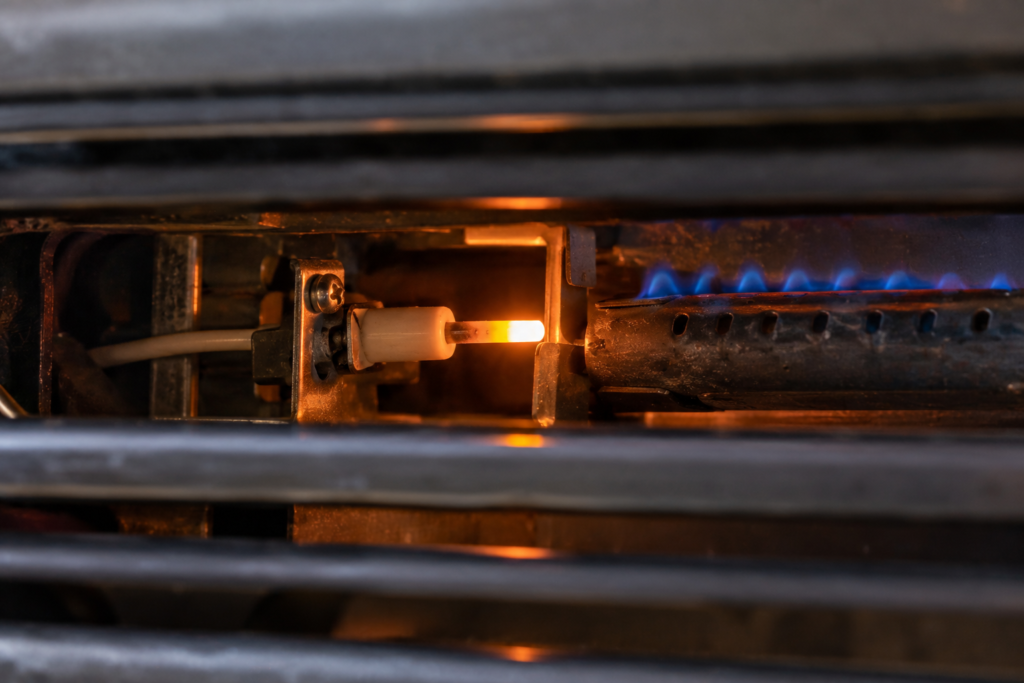
For KitchenAid gas ovens, an ineffective or dead igniter is often the cause of heating failure. A working igniter must produce enough heat to open and light the safety valve; otherwise it will never open, and thus the burner won’t ever start burning. To fix Kitchenaid oven ignition problems, always shut off the gas supply before touching the igniter.
How to fix it:
- Bake your oven and watch the igniter’s progress via the vent.
- If it takes longer than 90 seconds, or doesn’t even ignite then the igniter is in need of replacement.
- Always switch off the gas supply before taking any action on any component in a gas oven.
3.Inaccurate Oven Temperature
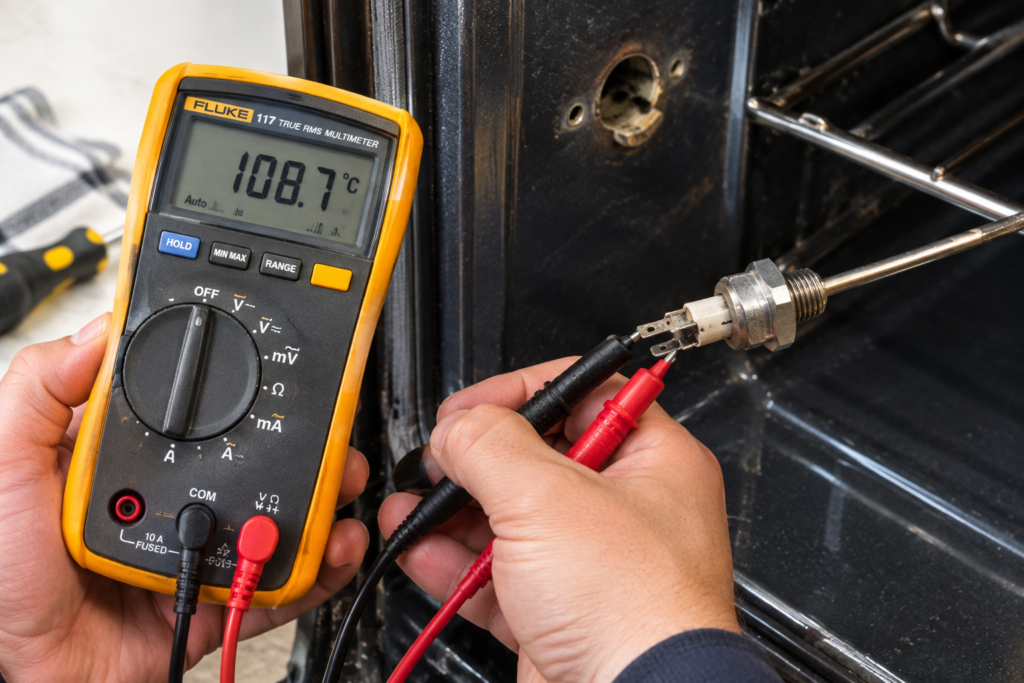
If your food is constantly cooking too long or too little, regardless of the recipe, then the thermometer (RTD) is out of range or has failed. This probe is located in the oven cavity and tells the control board how the temperature is actually inside the oven. To fix Kitchenaid oven temperature accuracy issues, try the manual’s calibration offset first.
How to fix it:
- Whilst looking in your manual for calibration settings, many KitchenAid ovens allow for temperature adjustments up to 35degF; if this doesn’t help, then test sensor resistance against manufacturer specifications using a multimeter.
- A sensor reading outside spec means it needs replacing, not just recalibrating.
4.Oven Door Won’t Close Properly
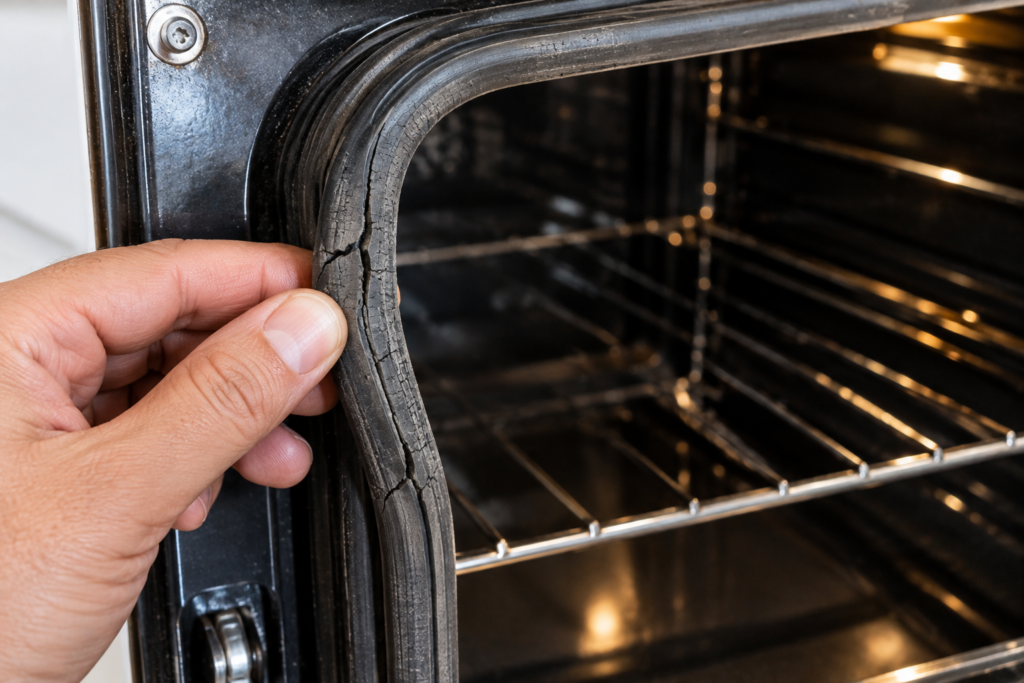
Unable to seal doors that won’t seal let heat escape and lead to slow preheating and uneven cooking times. This issue usually stems from worn door gaskets or bent latches being ineffective. A worn gasket is one of the easiest ways to fix Kitchenaid oven heat-loss issues yourself.A simple calibration check is often enough to fix Kitchenaid oven accuracy issues.
How to fix it:
- Inspect the rubber gasket around the door frame for tears, flattening, or gaps.
- Inspect the latch arm at the top of the door frame for any bends or bentness in its arm.
- Replacement may involve pulling and pressing; replacement of hinge or lock assemblies may require professional service.
5. Control Panel Not Responding (Washer Unit Not Responding)
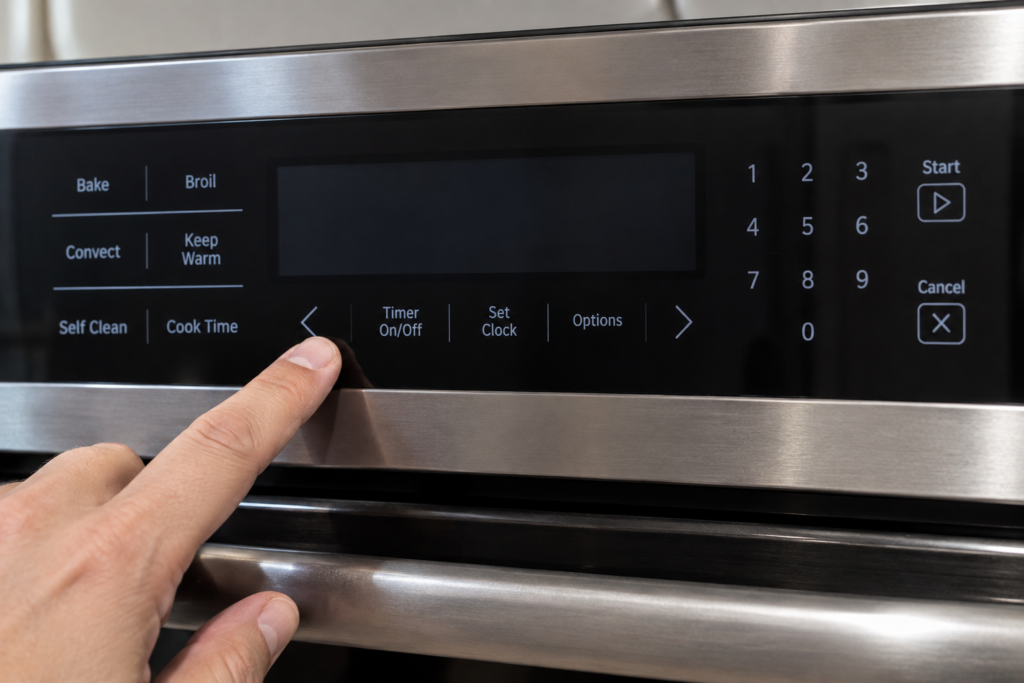
An unresponsive or frozen touchpad may be caused by moisture entering behind the panel membrane from overzealous cleaning, or by an unstable ribbon connection. A hard reset is often all it takes to fix Kitchenaid oven touchpad problems. Most people can fix Kitchenaid oven panel glitches with just a hard reset.
How to fix it:
- For an effective “hard reset,” shut off power for one full minute at the breaker before turning it back on again (a “soft reset”).
- If the panel remains nonresponsive, open up the control area and examine whether there are any ribbon cables connecting the touchpad and board that need checking.
- Persistent failure after resetting is usually indicative of a worn touchpad membrane and must be replaced.
6. Convection Fan Not Working
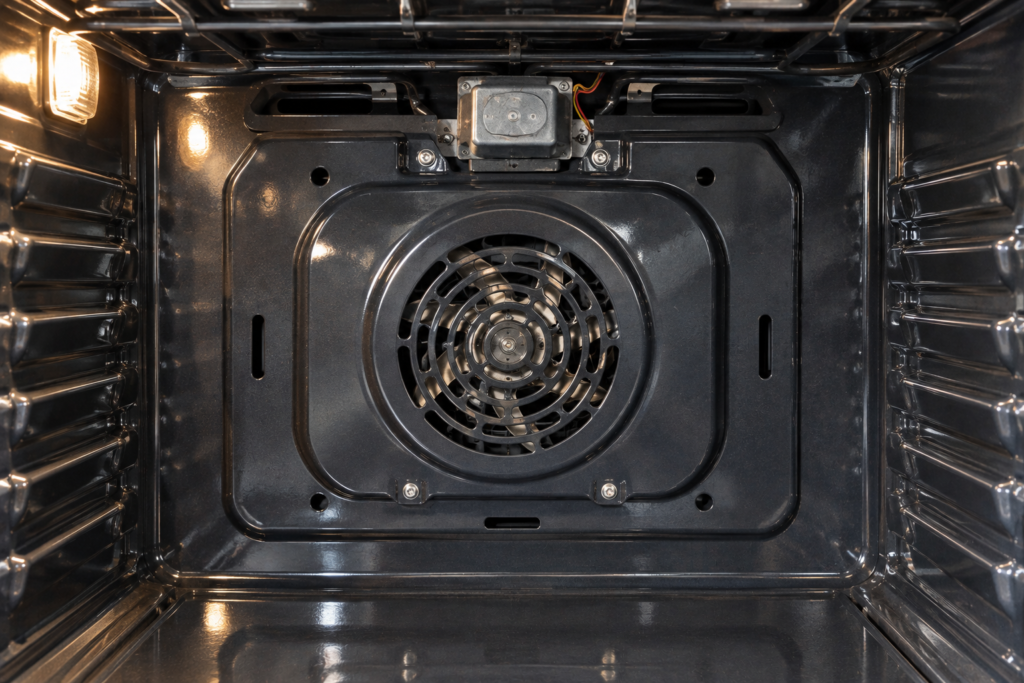
If the results of your convection cooking are uneven or you hear grinding or no fan noise at all, the convection fan motor could be worn out or jammed.If cleaning doesn’t help, you may need professional help to fix Kitchenaid oven fan motor issues.
How to fix it:
- Wait for the fan when using convection mode – silence or grinding may indicate a problem.
- Debris accumulation around its blade can sometimes make it stick and require careful removal with the power off before continuing; cleaning may resolve it.
- A motor that is damaged requires replacement and should be only tried if you’re experienced in disassembling appliances. For the best results, you should get help from a professional unless you are confident enough in yourself to try it for yourself.
7.My Oven Won’t Self-Clean
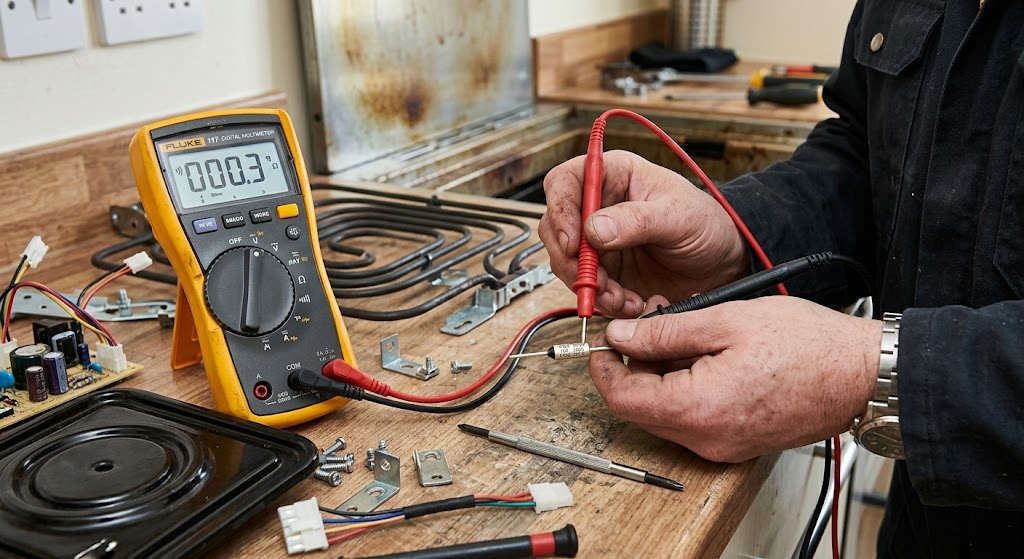
Self-clean cycles operate at extremely high temperatures, and their heat may trip the thermal fuse – a safety device designed to stop power from being delivered if it overheats further. If the cycle stops or the oven doesn’t respond in the following time, this could be the reason the thermal fuse is triggered.Testing the thermal fuse is a key step to fix Kitchenaid oven self-clean failures.
How to fix it:
- A multimeter must be used to test the reliability in the fuse’s thermal circuit.
- If there isn’t one Replace it with new fuse. If none exists, replace it with a new fuse.
- In any event, refrain from interrupting future self-clean cycles, as stopping them midway can trigger this failure.
8. Oven Light Won’t Turn On
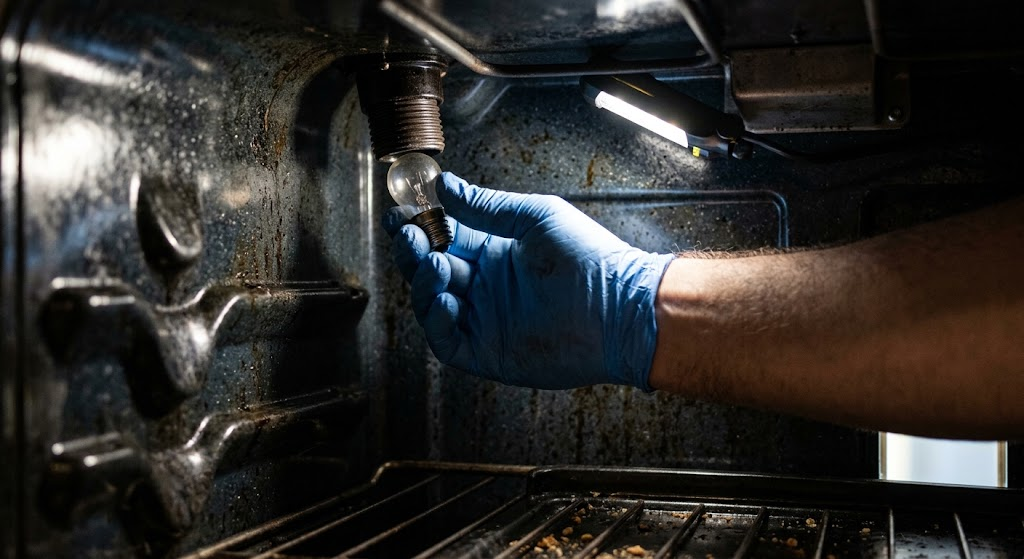
Fixes that require minimal work are usually the simplest ones to address; dead bulbs should be your priority before looking into bad light switches as potential sources.Replacing the bulb is the fastest way to fix Kitchenaid oven lighting problems.
How to fix it:
- Try using new lamp bulbs with the appropriate wattage and type for your model.
- If that does not solve the problem, have it checked by a technician, as working near live wiring can be hazardous to health and safety.
9.Doors Lock After Self-Clean
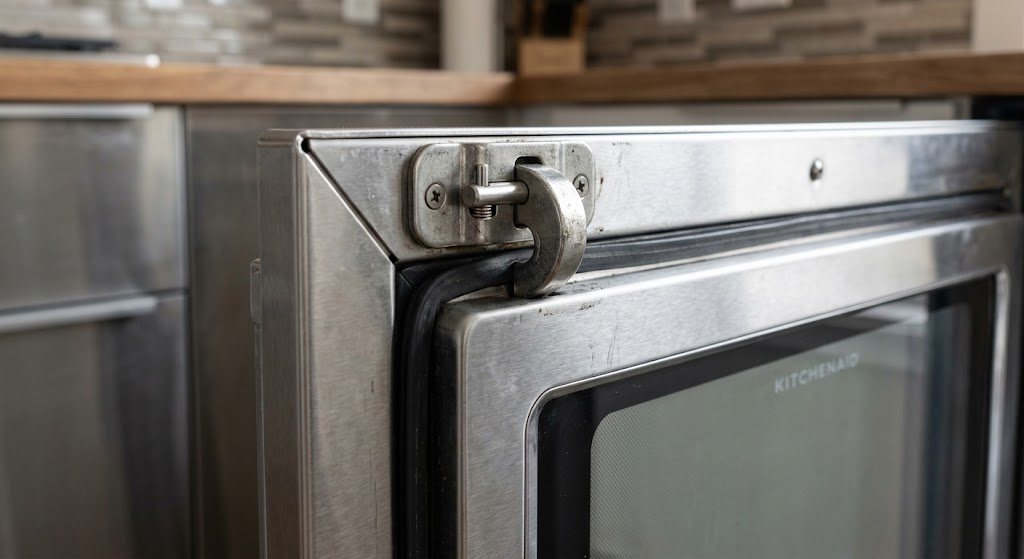
There is nothing more depressing than watching your self-clean process complete, and the door remains unlocked. It usually happens because your latch has become stuck mechanically or has reported an error code to the control panel.Letting the oven cool is essential before you try to fix Kitchenaid oven door-lock issues.A tight door seal makes a real difference when you fix Kitchenaid oven heat-loss issues.
How to fix it:
- Never try to force open the oven door — doing so may break the latch, turning a simple fix into an expensive one.
- Instead, let your oven fully cool off first, as many latches won’t release above certain internal temperatures.
- Depending on the nature of the lock assembly failure, a hard reset at the breaker may release it; otherwise, replacement of the latch assembly may be necessary.
KitchenAid Oven Error Codes Explained
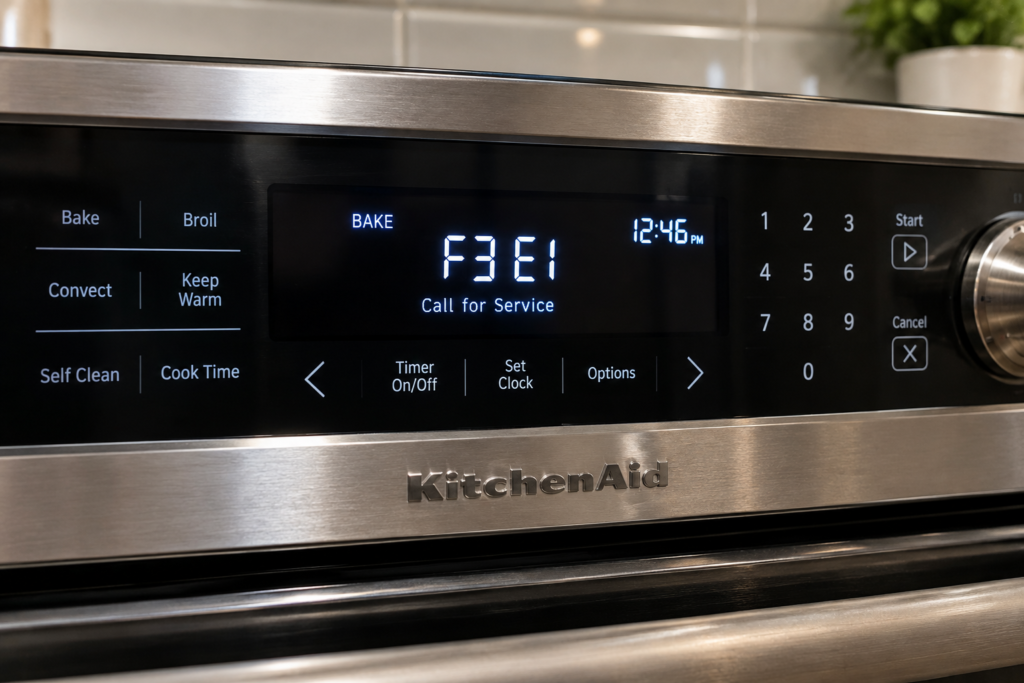
Understanding these codes is the first step to fix Kitchenaid oven control issues without guessing. These error codes from KitchenAid Ovens provide an explanation of their meaning and actions. Knowing what each code means saves time whenever you fix Kitchenaid oven error problems.
| Error Code | What It Means | What to Do |
| F0/F1 | Control board failure | typically, controller board replacement will be necessary. |
| F2 | Oven temperature too high or keypad shorted. | Check bake/broil relay contacts; hard reset first before continuing. |
| F3 | RTD open (Radiant Temperature Detector) | Sensor needs testing and likely replacement. |
| F3E2 | Temperature sensor shorted | Same as F3, except sensor circuit issue. |
| F5 | Control Board or Door Latch Fault | Reset first before inspecting door latch wiring. |
| F7 | Function Key Stuck | Clean the panel; hard reset; replace board if necessary. |
| F9 | Door Lock Failure | The first thing to consider before forcing open is checking that the wiring for your lock switch hasn’t become disconnected – otherwise try using another method such as opening and forcing shut the door before trying it on manually. |
This table makes it easier to fix Kitchenaid oven error codes without guesswork. If the same code returns, that’s your signal the underlying part actually needs attention rather than the board just glitching.
DIY Fix or Call in Professional Services? A Quick Decision Guide
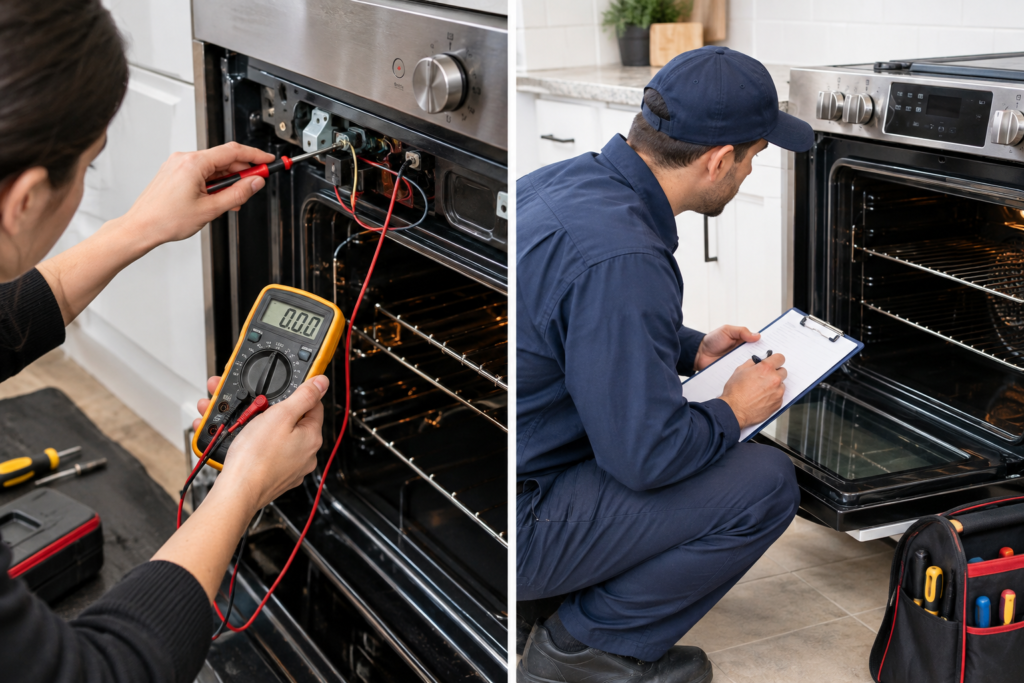
Whether you can fix Kitchenaid oven problems yourself or need a technician depends on the part involved. Gas components present a serious safety risk when handled incorrectly and should be left to professionals to handle. These small habits make it easier to fix Kitchenaid oven problems before they even start. Whether it’s a simple reset or a part replacement, you now know exactly how to fix Kitchenaid oven trouble the right way.
Safe to try yourself:
- Hard resets may help resolve control panel or error code issues.
- Replacing light bulbs, door gaskets, and bake/broil elements (in electric models with power off). These tasks should all be undertaken safely by themselves.
Professional advice should always be sought:
- We can assist with any gas line, ignition switch, or valve work, as well as board replacement.
- Wiring replacements behind control panels, or replacement of door lock motor assemblies.
A rough estimate is that simple DIY parts like gaskets and bulbs are typically priced between $10 and $40; putting in components and sensors yourself can cost $30-80 depending on the component. Technician visits for professional repairs to diagnose and motor replacement typically cost between $150 and $ 350, depending on the component being repaired and where you are located.
Should You Fix Kitchenaid Oven Issues or Replace It?
Repair is usually the most affordable solution when an oven’s age is under five years or if the issue is related to a single component such as sensors, components, or gaskets. Before opting for control board replacement on models older than eight to 10 years, however, compare repair costs against those of buying new. For reference on expected temperature accuracy and calibration checks, Kitchenaid’s own troubleshooting guide is a useful starting point before you begin.In most cases, it’s still cheaper to fix Kitchenaid oven issues than replace the whole unit.
How to Prevent Kitchenaid Oven Issues Before They Occur
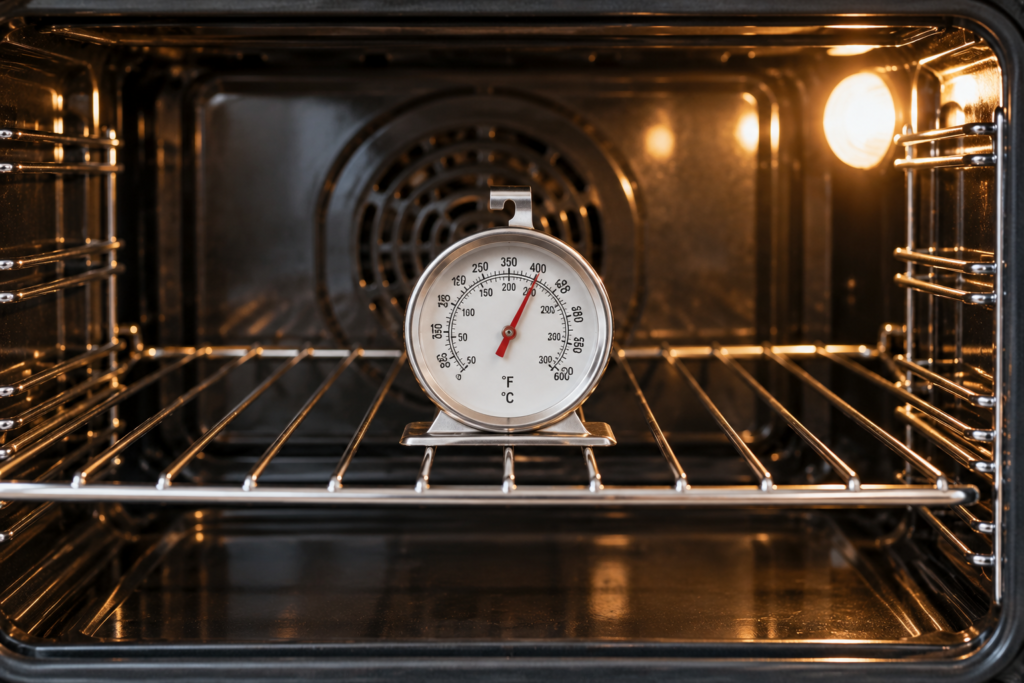
Most of the problems discussed above don’t manifest overnight – they build gradually with everyday use, and a bit of preventive maintenance goes a long way toward avoiding repair calls altogether. If you want to avoid dealing with troubleshooting altogether, simple habits make an impactful statement about who cares for what.
1.Clean spills before they bake on. Food residue left behind on your oven’s floor or heating element not only stinks when burned, it can also contribute to uneven heating over time and place extra strain on its bake element.
2.Avoid overlooking your door seal. Rubber gaskets in kitchenaid oven doors may go unseen, yet they play a critical role in protecting against heat loss when baking. Make a habit of regularly inspecting this rubber gasket with your finger for signs of flattening, cracking or gaps; early identification and resolution of wear-and-tear issues could save energy and money by being addressed quickly and cost-effectively.
3.Be careful with self-clean cycles. As was discussed previously, self-clean cycles can reach temperatures hot enough to trip a thermal fuse or lock the door if interrupted, so only start them when there will be enough time for it to complete and without opening doors or cutting power midway through.
Frequently Asked Questions (FAQs)
1.How come My KitchenAid Oven Isn’t Heating?
There could be several potential causes, such as a burnt-out bake or broil element, an ineffective igniter for gas models, or an expired temperature sensor. Before assuming there’s an electrical issue at play, check for visible breaks in the heating element first before concluding there must be an electrical short.
2.What does F2 stand for in my KitchenAid oven?
F2 could mean an indication that it’s excessively high or that the keypad is not functioning properly, and both require resetting the keypad. If it doesn’t work be sure to check whether the bake/broil controller relay has to be kept running prior to doing a complete reset.
3.Can I alter the settings of my KitchenAid oven?
Turn off power of the circuit breaker, for an hour, and then turn it back to. This will eliminate temporary problems with control or error codes without the need for replacement parts.
4.Is it Safe to fix a Gas KitchenAid Oven Myself?
Simple checks, like checking the ignition, is fine, however, it is imperative to shut off the gas before you touch any of the components, including valves, pipelines, or ignitions. If you’re you’re sure, talk to an authorized technician, as the repair may be more difficult than you thought.
5.Why does my KitchenAid oven door stay locked after self-cleaning?
This could be caused by high internal heat from self-cleaning; its latch is likely reacting to this sudden increase. Let the oven cool down completely before opening it — otherwise, forceful attempts may break its latch mechanism and become permanent solutions.
6.Will KitchenAid oven repairs fall under warranty?
Most KitchenAid ovens carry a one-year manufacturer’s warranty covering parts and labor; sealed systems may come with extended coverage. Always consult your model’s specifications, as opening it yourself can affect the coverage for that time.
7.What’s the price to fix the damage to my KitchenAid oven?
DIY components such as gaskets, sensors, or elements generally cost between $10 and $8 while professional repair services typically cost between $150 and $350, depending on the part that requires replacement and the location of your home.
8.Why won’t my KitchenAid oven convection fan work?
A quiet or grinding fan in convection mode often indicates the motor has worn out or become jammed with debris, possibly leading to minor jamming problems which may be remedied through cleaning around the blade, while replacing an entirely dead motor would likely require replacement of its internal components.
Conclusion
Learning to fix Kitchenaid oven issues yourself starts with identifying which part is actually failing. Damaged heating elements, failed devices, latches that are stuck or control board malfunctions which require resets are generally the cause. Learning to fix Kitchenaid oven problems saves both time and money in the long run.